Health Literati Vol. 1
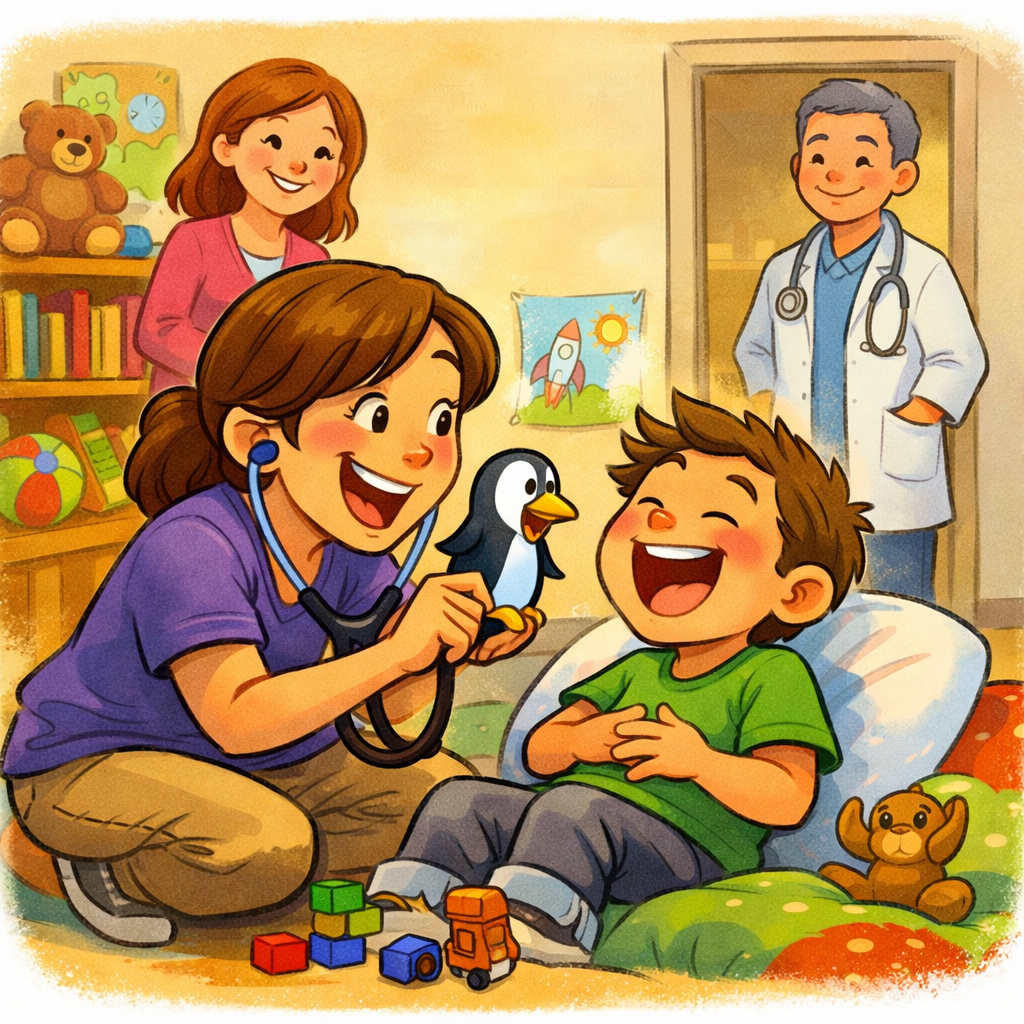
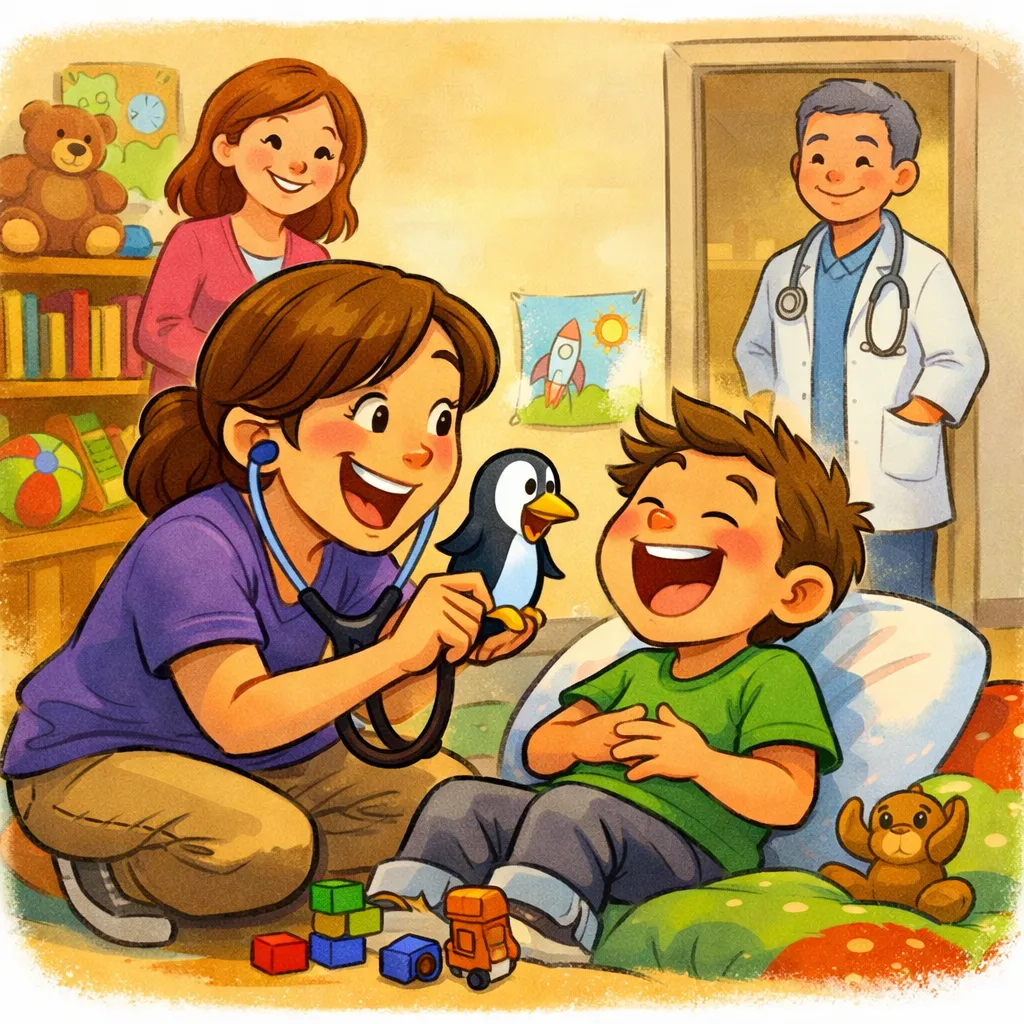
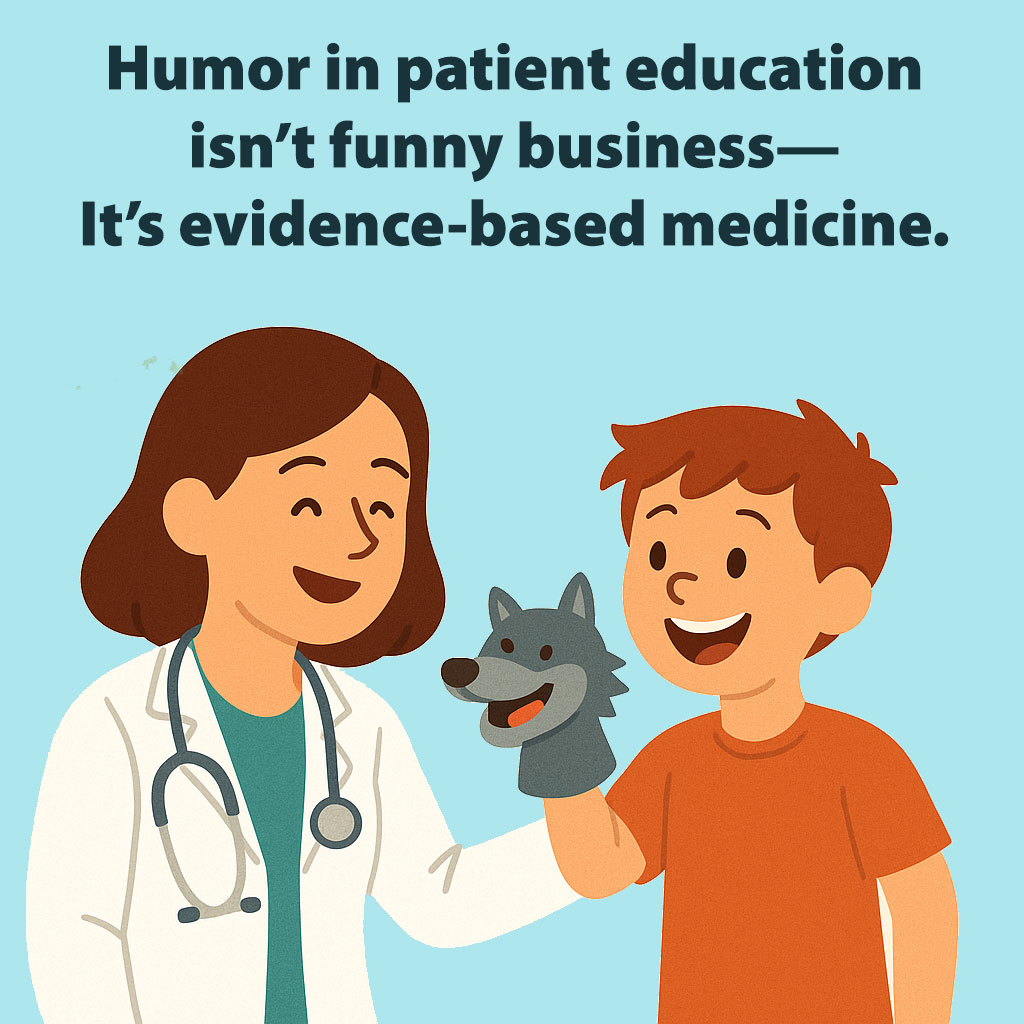
Humor in patient education isn’t funny business - it’s evidence-based medicine!
What if better health outcomes started with a laugh?
The data says they can.
A 2021 meta-analysis in BMC Psychology found humor interventions in healthcare:
→ Reduced anxiety (with effect sizes comparable to relaxation techniques)
→ Lessened perceived pain (especially in pediatric and chronic care settings)
→ Boosted emotional resilience (with effects that lasted post-intervention)
This isn’t about slapstick.
It’s strategic, science-backed storytelling.
Consider this:
✅ 94% of medical students say humor improves learning and retention (Medical Teacher, 2018)
✅ The AMA Journal of Ethics highlights humor’s role in building trust and reducing tension
✅ Patients remember humorous content twice as well (Advances in Health Sciences Education, 2017)
At Health Nuts Media, we don’t just add humor for flair. We engineer it as a delivery system for Health Action Storytelling.
Asthma education? The Big Bad Wolf with an inhaler—because “huff and puff” just got educational.
Surgical prep? Mama Bear helps Goldilocks understand NPO—because “just right” means nothing by mouth after midnight.
Discharge instructions? Clear, joyful, and designed to stick—so patients leave knowing what to do next.
When patients smile, they listen.
When they listen, they act.
And when they act?
Your team spends less time repeating instructions -- and more time delivering care.
In healthcare’s burnout crisis, this isn’t extra.
It’s essential.
Want to see Seriously Fun™ education in action? Visit HNM.
************************************
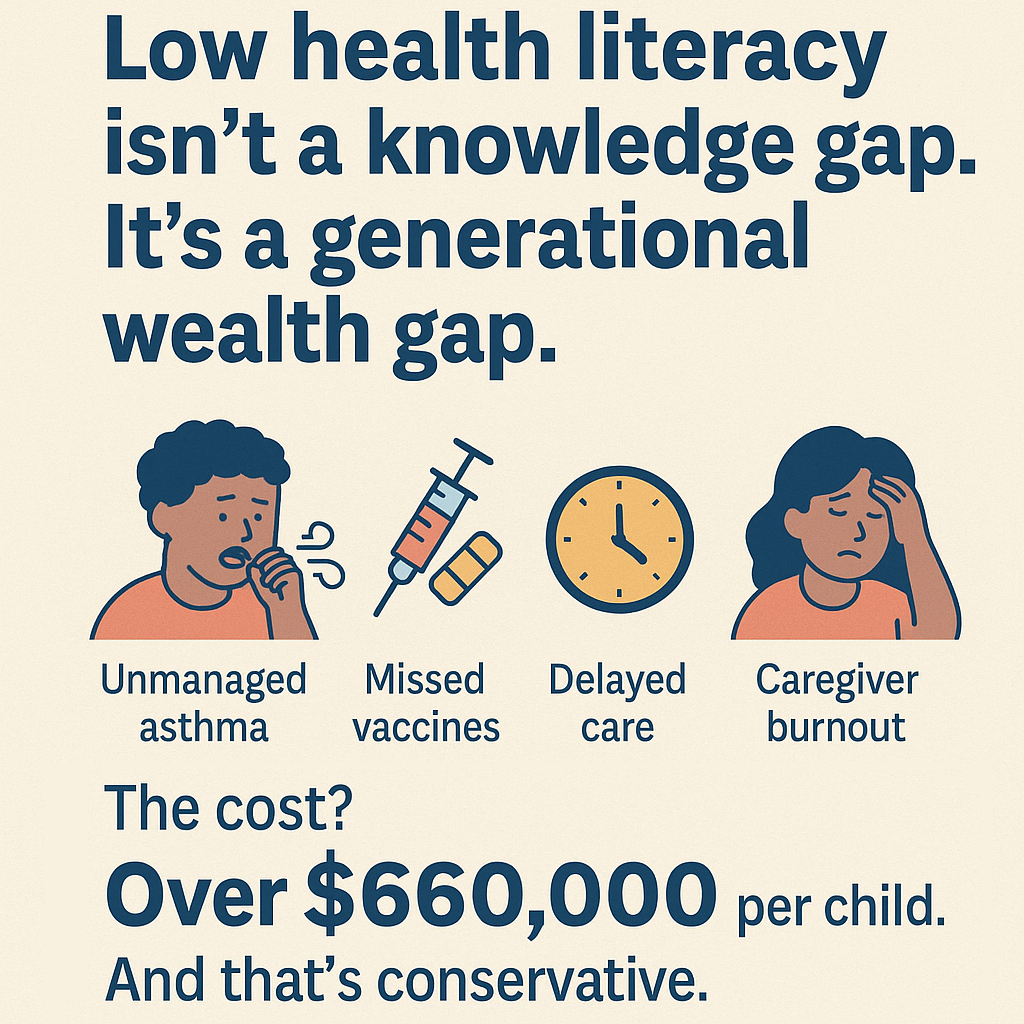
Low health literacy isn't a knowledge gap. It's a generational wealth gap.
When a child grows up without access to clear, culturally relevant health information, the lifetime cost doesn't just show up in ER visits or missed meds.
It shows up in:
– Fewer job opportunities
– Chronic conditions
– Academic barriers
– Lost wages
We're talking:
• Unmanaged asthma
• Missed vaccines
• Delayed care
• Caregiver burnout
• Lower lifetime earning potential
The cost? Over $660,000 PER CHILD.
And that's conservative. This isn't a line item. It's a systemic failure.
🛠 So what's the fix?
Start upstream—with strategic storytelling that meets families where they are. Not fluff. Not jargon. But clinically accurate, emotionally intelligent, culturally grounded communication families actually understand—and act on.
📊 Research shows culturally tailored health messaging 𝗶𝗻𝗰𝗿𝗲𝗮𝘀𝗲𝘀 𝗯𝗲𝗵𝗮𝘃𝗶𝗼𝗿 𝗰𝗵𝗮𝗻𝗴𝗲 𝗯𝘆 𝟮𝟬–3𝟬% (NIH). That's not fluff—that's evidence-based equity work. It's also what we're building at Health Nuts Media.
Because when patients understand, they act. And when they act, systems save time, money, and lives.
*Cost estimate based on:
• Direct medical costs: 100K– 300K
• Lost wages: 200K– 400K
• Caregiving burden: $ 100K–$300K
Sources: Milken Institute (2018), RWJF (2019), AARP (2020), NBER (2017)
************************************
The countries most willing to trust AI-generated health information may surprise you...
A new 2026 global survey published in Nature Publishing Group’s Nature Health asked 31,000 adults across 30 countries whether they would accept health information generated by AI.
Globally, 58.3% said yes. But the averages hide something more interesting: trust in AI-generated health information varies dramatically depending on where you live.
In some countries, acceptance was above 75%:
China
India
Pakistan
Indonesia
In others, it fell below 50%:
Canada
France
UK
Australia
Belgium
Switzerland
Italy
Poland
Sweden
Japan
Russia
That’s a fascinating divide because it doesn’t map neatly to income.
Russia falls into the skeptical group alongside Western democracies, while several lower-middle-income countries show the highest levels of acceptance.
So what explains the divide?
The study doesn’t claim to have the answer, but it points toward some important possibilities:
Does greater reliance on digital and social media for health information make AI feel like a natural extension of an already digital experience?
Do stronger regulatory norms create more skepticism around AI-generated health content?
How much does institutional trust shape willingness to accept AI as a health information source?
Trust appears to be shaped by culture, systems, and experience, not just access to technology.
And acceptance is not the same as informed trust.
Across all countries, the qualities people valued most in health information were clarity, accessibility, and source transparency.
If AI is going to play a meaningful role in health communication, speed and scale won’t be enough.
People still want to know where information comes from, who stands behind it, and whether it deserves their trust.
Study by Rachael Piltch-Loeb, Katarzyna Wyka, Trenton M. White, Scott C. Ratzan, Ken Rabin, Rebecca K. Ivic, Carolina Batista, and Ayman El-Mohandes, published in Nature Health (2026).
Worth reading if you’re thinking about AI, trust, and the future of health communication: